

Control plans define how risks are managed, whether through 100% in-line inspection or by applying the AQL process. This approach ensures that product quality is consistently monitored and maintained.


Our goal is straightforward: to build quality into every stage of our process ensuring customers can rely on consistent performance and dependable delivery, every time.
Using Failure Modes and Effects Analysis (FMEA), we complete DFMEA and PFMEA to identify risks that could affect the customer. Each potential issue is scored with a Risk Priority Number (RPN) of up to 1000, based on severity, occurrence and detection.
During this process, we highlight the prevention and detection controls already in place. Actions are then prioritised from the highest to the lowest RPN, ensuring risks are reduced as far as practicably possible.
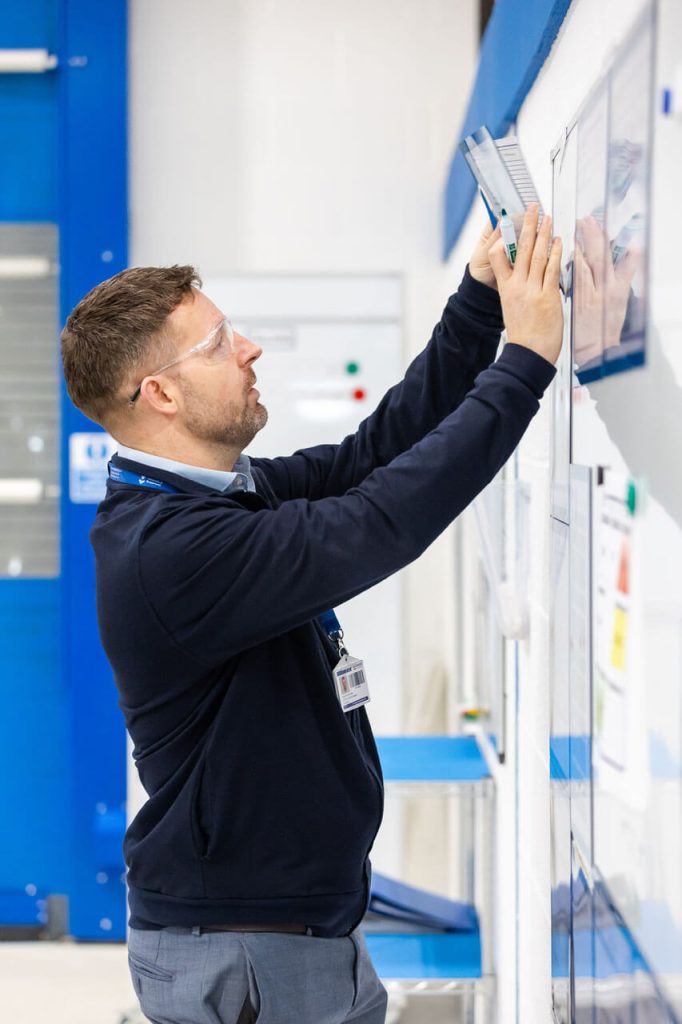
Control plans define how risks are managed, whether through 100% in-line inspection or by applying the AQL process. This approach ensures that product quality is consistently monitored and maintained.
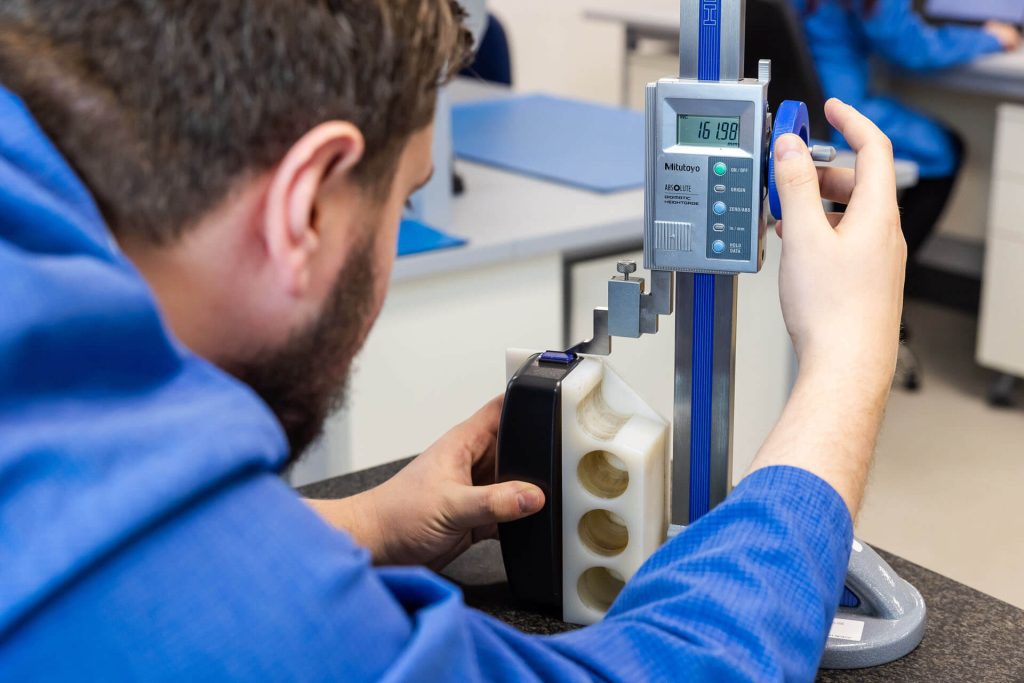
We operate a structured supplier approval process to identify and select the most suitable partners for each project. This ensures customers benefit from reliable, high-quality components that meet specification and support long-term product performance.
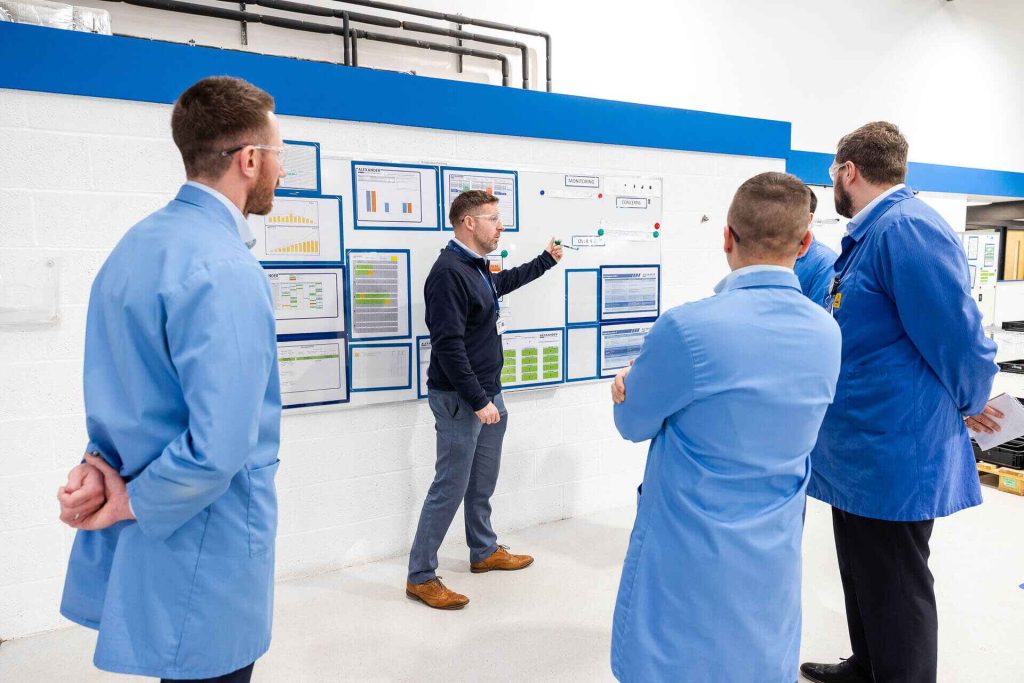
Once suppliers are approved, the Production Part Approval Process (PPAP) begins. We work collaboratively with suppliers to minimise variation and confirm that all materials meet specification through visual and dimensional inspection. This ensures components are fully qualified before entering production.
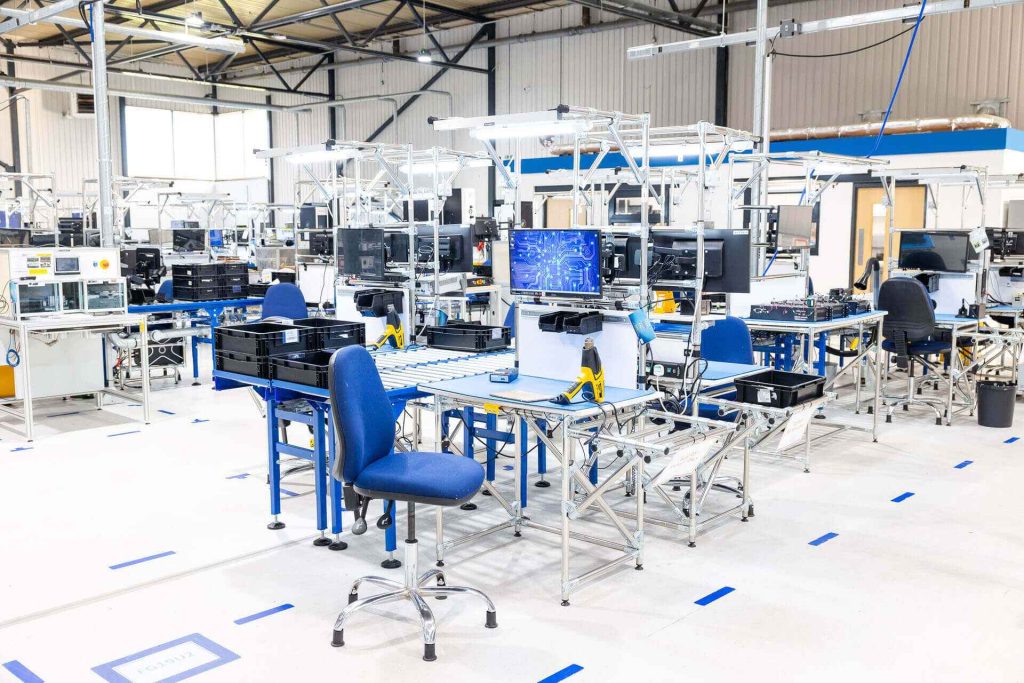
Our validation process follows Installation Qualification (IQ), Operational Qualification (OQ) and Performance Qualification (PQ). By applying Statistical Process Control (SPC), we ensure manufacturing remains stable and repeatable, giving customers confidence that every pack will perform as expected with minimal variation.
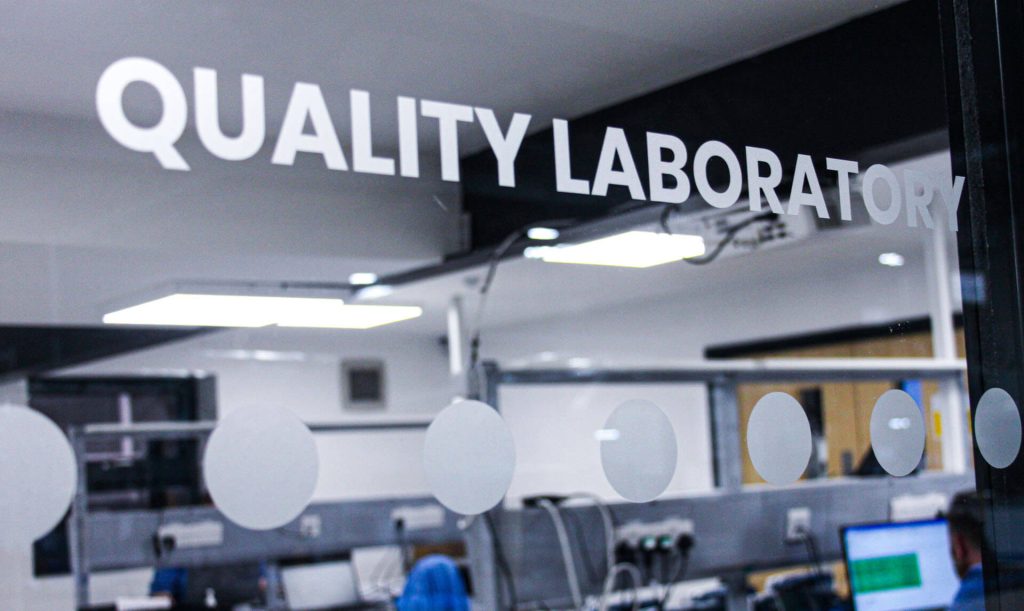
When issues arise, we use a structured approach incorporating the A3 problem-solving format, Ishikawa diagrams (using 6Ms: Man, Method, Material, Machine, Measure, Mother Nature), and the 5 Whys technique. This ensures root causes are identified and corrective actions are taken to prevent recurrence, protecting product reliability.
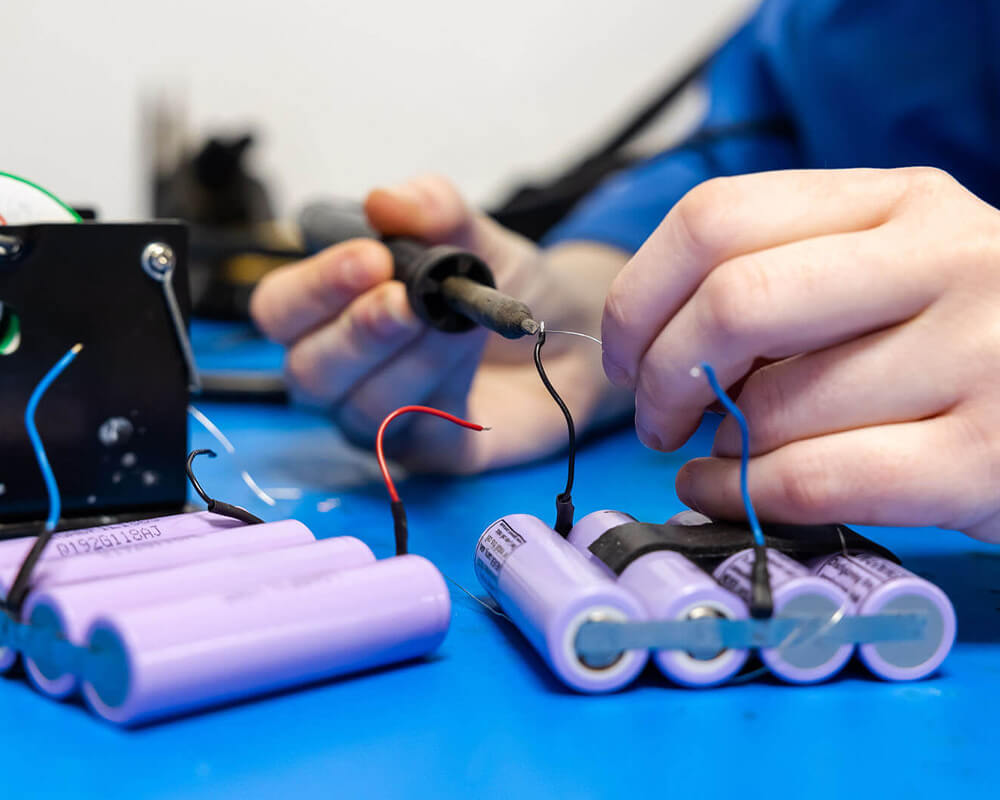
Any material not meeting specification is placed in quarantine for review. It is investigated to identify the root cause, and corrective actions are implemented using CAPA, FMEA and validation processes. This ensures non-conforming materials never reach production and lessons are applied to prevent reoccurrence.
Our facility is certified to ISO 9001, demonstrating robust quality management systems.
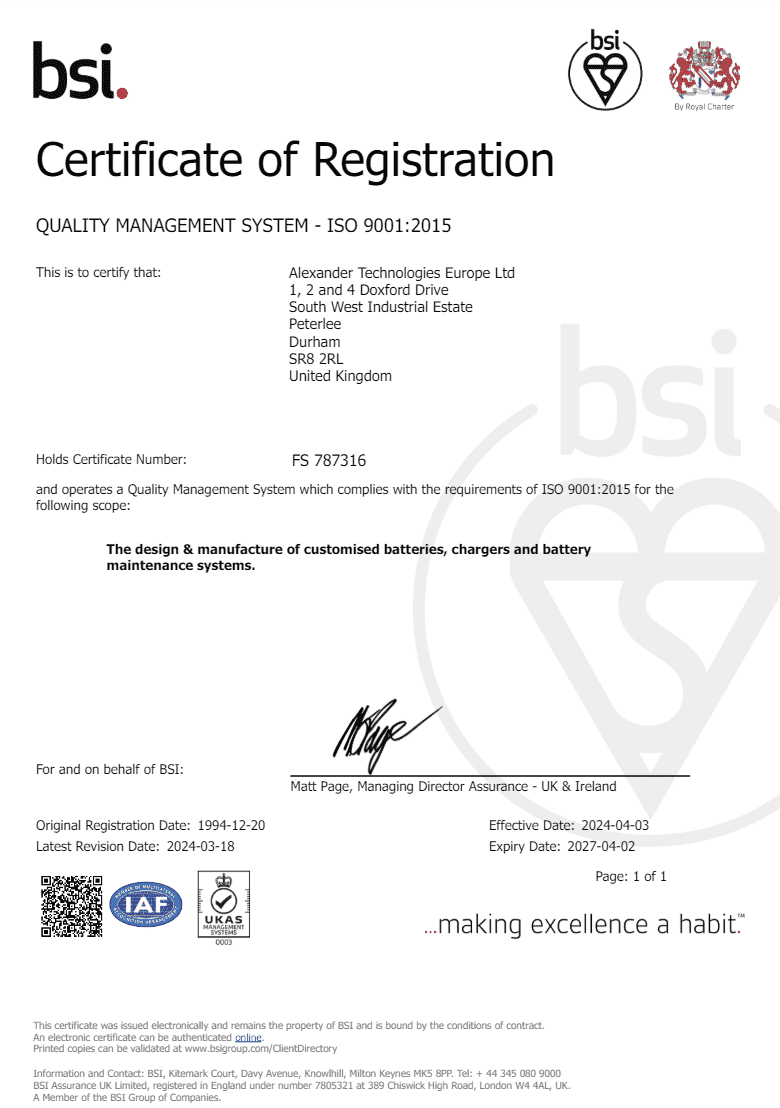
Alexander Battery Technologies meets the requirements to be certified for ISO 9001.
We support customers in achieving the certifications required for their markets. We design and qualify battery packs to meet international standards, including UL2054, IEC62133, KC Mark, PSE, UL2271, UN ECE R100, ISO62619 and more. These cover household, industrial and vehicle applications, ensuring compliance across global markets.
Are you responsible for sourcing or developing battery solutions at an OEM and looking for a manufacturing partner?
We specialise in designing and manufacturing custom battery packs for manufacturers with high-volume production. Please note that we are unable to provide quotations for replacement batteries in consumer goods.
Ready to move your battery project forward? Our experts can guide you through design, compliance, and production.

40 years of battery manufacturing experience

End-to-end solution for battery pack design, testing, validation and assembly

Technologically advanced battery packs developed for your application

Manufacturing excellence and quality built into every battery pack

Championing sustainable manufacturing, green design & recycling